Why Cupid Crazy Is Redefining Emotional Typography in Modern Design
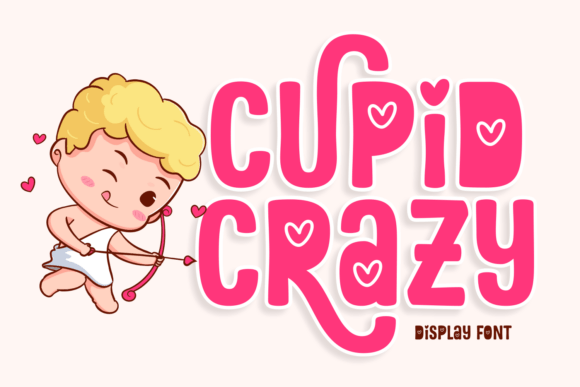
Immerse yourself in the world of Cupid Crazy, a display font that effortlessly encapsulates various styles and sentiments. Its roots are firmly in the sphere of love fonts, perfect for radiating warmth and charm in Valentine’s Day declarations or blissfully romantic narratives. However, to categorize this typeface solely as a seasonal novelty is to overlook its significant utility in contemporary visual communication. As an authentic and distinctive font, it lends itself superbly to branding or asserting an original voice on book covers or magazines. In an era where digital saturation often leads to visual fatigue, designers and marketers are increasingly seeking typographic solutions that offer genuine human connection without sacrificing professional polish.
Cupid Crazy is not just a beautiful expression of affection; it also boasts a delightful array of features, from accent fonts ideal for apparel design to swash fonts that bring a playful flair. Its clean, round styles, intermingled with smooth strokes, give the fonts a simple aesthetic, making it a dream font for packaging and greeting card designs. The adaptability of Cupid Crazy extends to logotype fonts as well, lending your logos a stylish and contemporary touch. Its suitability for quote fonts ensures an impactful delivery of your words, while the trendy resonance it possesses will undeniably uplift any T-shirt designs. So, whether you’re designing a book, refining your brand, or channeling the spirit of the season with seasonal fonts, unfurl the potential of Cupid Crazy—a font that exceeds all conventions yet remains endearingly accessible.
The Shift Toward Authentic Visual Storytelling
The current landscape of graphic design and marketing is undergoing a profound shift away from sterile minimalism toward what industry experts call "warm maximalism" or "soft authenticity." Consumers, particularly within Gen Z and Millennial demographics, are responding positively to visuals that feel handcrafted, personal, and emotionally resonant. This is where Cupid Crazy finds its strategic relevance. It sits at the intersection of nostalgia and modern clarity, offering a typographic voice that feels intimate rather than corporate.
For entrepreneurs and freelancers, this distinction is critical. When building a brand identity for lifestyle products, wellness services, or creative portfolios, the typography must do more than convey information; it must convey feeling. Standard sans-serif fonts, while functional, often lack the emotional bandwidth required for these sectors. Conversely, traditional script fonts can sometimes appear dated or overly formal. Cupid Crazy bridges this gap by providing the softness associated with handwritten scripts while maintaining the legibility and structural integrity required for modern digital and print applications.
Meeting the Demand for Versatile Asset Libraries
Modern creative workflows demand efficiency without compromising uniqueness. Designers no longer have the luxury of purchasing single-use assets; they require versatile tools that can scale across multiple touchpoints. The comprehensive feature set of Cupid Crazy addresses this changing economic reality of design.
- Accent Fonts for Merchandising: With the explosion of print-on-demand and creator economy merchandise, having a dedicated accent style allows designers to create cohesive product lines where the typography complements, rather than competes with, illustrative elements.
- Swash Fonts for Editorial Layouts: Magazine editors and book cover designers utilize swashes to create dynamic hierarchy. These flourishes guide the reader’s eye and add a layer of bespoke craftsmanship that distinguishes premium publications from generic content.
- Logotype Adaptability: Startups often need wordmarks that feel established yet fresh. The balanced geometry of this typeface allows for logo lockups that remain recognizable at small favicon sizes while retaining character on large-format signage.
Practical Applications Across Industries
Understanding the theoretical value of a typeface is essential, but seeing its practical application reveals its true ROI. Professionals across various sectors are leveraging the specific attributes of Cupid Crazy to solve distinct communication challenges.
Packaging and Retail Experience
In the retail sector, packaging is the silent salesman. For brands in the confectionery, beauty, and gift industries, the unboxing experience is a primary driver of social media sharing and customer loyalty. The clean, round styles of Cupid Crazy provide a tactile visual quality that translates exceptionally well to physical substrates. Whether embossed on textured paper or printed on glossy film, the smooth strokes maintain their integrity. This legibility ensures that product names and flavor profiles are instantly readable on crowded shelves, while the inherent warmth of the letterforms reinforces the premium, artisanal nature of the contents.
Digital Content and Social Media Engagement
Social media algorithms increasingly favor content that retains user attention. Quote graphics and text-based videos are staples of engagement strategies for influencers and brands alike. However, the market is saturated with overused free fonts that signal low effort. Utilizing Cupid Crazy as a quote font elevates perceived value. The distinctive letterforms stop the scroll because they differ from the system fonts users see in their feeds. Furthermore, the font’s optimized spacing and weight distribution ensure readability on mobile screens, addressing the technical constraints of digital consumption while delivering an emotional payload.
Apparel and Lifestyle Branding
Fashion and apparel design rely heavily on typography to communicate subculture and identity. The trend toward "cozy aesthetics" and positive messaging in streetwear and casual wear aligns perfectly with the vibe of this typeface. Unlike aggressive gothic fonts or rigid block letters, Cupid Crazy offers a softer alternative that appeals to a broader demographic. Its trendy resonance makes it suitable for statement tees, tote bags, and embroidered caps. Because the font includes varied weights and stylistic alternates, designers can create entire capsule collections using a single type family, ensuring brand consistency across diverse garment types.
Technical Considerations for Professional Implementation
While the aesthetic appeal of Cupid Crazy is undeniable, professionals must also consider technical implementation to maximize its effectiveness. The font’s design reflects an understanding of modern typesetting standards, but successful deployment requires intentional pairing and hierarchy management.
- Pairing with Neutrals: Because Cupid Crazy carries significant personality, it pairs best with understated geometric sans-serifs or clean monospaced fonts. This contrast prevents visual clutter and allows the display font to serve as the focal point without overwhelming the layout.
- Leveraging OpenType Features: To avoid repetitive letterforms in headlines or logos, designers should actively utilize the included ligatures and contextual alternates. These features introduce organic variation that mimics natural handwriting, enhancing the authentic feel of the design.
- Color Psychology Alignment: While naturally suited for reds and pinks, this typeface performs surprisingly well in unexpected color palettes. Deep greens, navy blues, and earth tones can ground the playfulness of the font, making it appropriate for more mature or sophisticated branding projects beyond the realm of romance.
Future-Proofing Your Creative Toolkit
As we look toward the future of visual communication, the line between digital and physical experiences continues to blur. Brands are expected to maintain a consistent emotional tone across websites, apps, physical stores, and packaging. Typefaces that are too rigid fail in digital environments, while those that are too decorative fail in print. Cupid Crazy represents a new breed of hybrid display fonts designed for this omnichannel reality.
Furthermore, as AI-generated imagery becomes more prevalent, the human touch in typography becomes a premium differentiator. Audiences are developing a keen eye for synthetic perfection. The subtle irregularities and thoughtful curves found in Cupid Crazy signal human intentionality. For marketers and creators, investing in high-quality, distinctive typography is a strategy to safeguard brand authenticity against the tide of automated content.
Ultimately, the decision to incorporate Cupid Crazy into a design system is about more than aesthetics; it is a business decision rooted in consumer psychology. It acknowledges that in a data-driven world, emotion remains the primary driver of connection. By choosing a typeface that balances professional versatility with genuine warmth, creatives can build brands that are not only seen but felt. Whether you are launching a new product line, refreshing a legacy brand, or creating content that demands engagement, this typeface provides the necessary tools to articulate a vision that is both commercially viable and creatively fulfilling.
The evolution of display typography suggests that functionality and emotion are no longer mutually exclusive. Cupid Crazy stands as a testament to this convergence, offering a robust solution for professionals who refuse to compromise on either front. As design trends continue to cycle and evolve, the fundamental need for clear, warm, and distinctive communication remains constant. By integrating such versatile assets into your workflow, you position your work to resonate deeply with audiences today while remaining adaptable to the visual languages of tomorrow.